Peace Witness
What began as peaceful resistance became a wider practice of peace.
Joseph Olejak’s tax refusal began with a call of conscience: he would not pay taxes used to bankroll war and atrocities abroad. Jail widened his witness. There, he saw how public systems can also do violence at home, keeping vulnerable people trapped in poverty, addiction, punishment, bureaucracy, racism, abandonment, and the quiet loss of human dignity.
The check he could not write
For Joseph Olejak, the question was never simply whether to pay taxes.
It was whether a person of faith could knowingly fund war and still honor his faith and his own integrity

Joseph is not arguing that conscience releases a person from public responsibility. He is arguing that public responsibility should not be bound to military violence. The Peace Tax Fund matters to him because it proposes a lawful way to contribute without underwriting war. Civic duty should not include coerced complicity.
A peace tax would still require accounting, seriousness, and payment. What it would remove is the state’s demand that a person violate a settled religious conviction in order to be counted as responsible. It imagines citizenship as real participation, but without forced assent to war.
"What is interesting is that the framework has not changed. The framework was and still is listening to that of God within me. That voice has persisted over time and I’ve come to trust it."
Joseph Olejak on peace testimony
For Joseph, Quaker beliefs and values are not theoretical. If every human being carries something of God, then war does not only destroy bodies. It destroys the reflection of God in human life. That made paying for war a line he could no longer cross.
That is why Joseph’s decision cannot be reduced to a tax dispute. In his book, Joseph raises a harder question: what happens when the ordinary acts of citizenship ask a person to participate in violence?
In the Quaker tradition, peace is not only the absence of personal aggression. It is a claim about the value of every life. Once Joseph accepted that claim, he could not separate his faith from the ordinary forms, deadlines, payments, and signatures by which war is funded.

A peace tax, not a war tax
Joseph wants us all to have a way to contribute without underwriting violence.
He is not arguing that personal directives of conscience override responsibility. But he does advocate for legislation for people who are willing to contribute, but not to war. That is why the Peace Tax Fund matters to him: it tries to create a path that does not force complicity.
A peace tax would still require public accounting, civic seriousness, and a willingness to pay. What it would remove is the demand that a person violate a settled religious conviction. It imagines citizenship as participation without coercing assent to war.
The cost of witness
Joseph's war tax refusal had serious consequences, and Joseph accepted them.
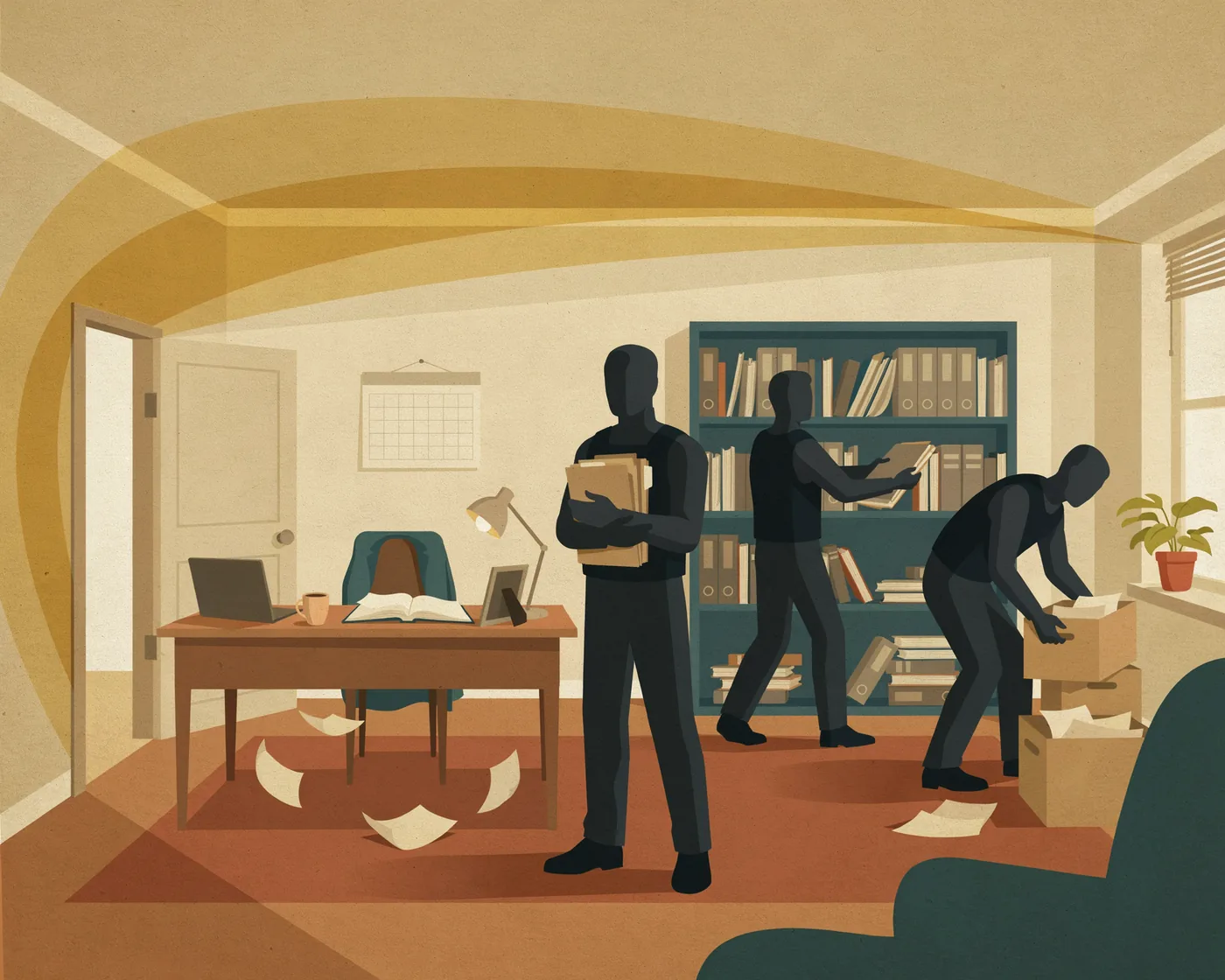
IRS agents in Kevlar vests came to his office with a warrant and removed books and records. He pleaded guilty to one count of willful failure to file. The sentence included community service, a substantial financial penalty and tax obligations, probation, and 26 weekends in county jail.
The cost was not abstract. It touched his work, his children, and the rhythm of family life.
The consequences of Joseph's choice are what make his story morally serious. They were inconvenient, expensive, frightening, and ordinary in the way institutions often are: forms to sign, dates to meet, rooms to enter, people to explain oneself to again and again, along with the day-to-day degradations and humiliations the state subjects prisoners to away from the eyes of free citizens and with the complicity of the justice system and the people who comprise it.
Held by a community
But he did not carry it alone.
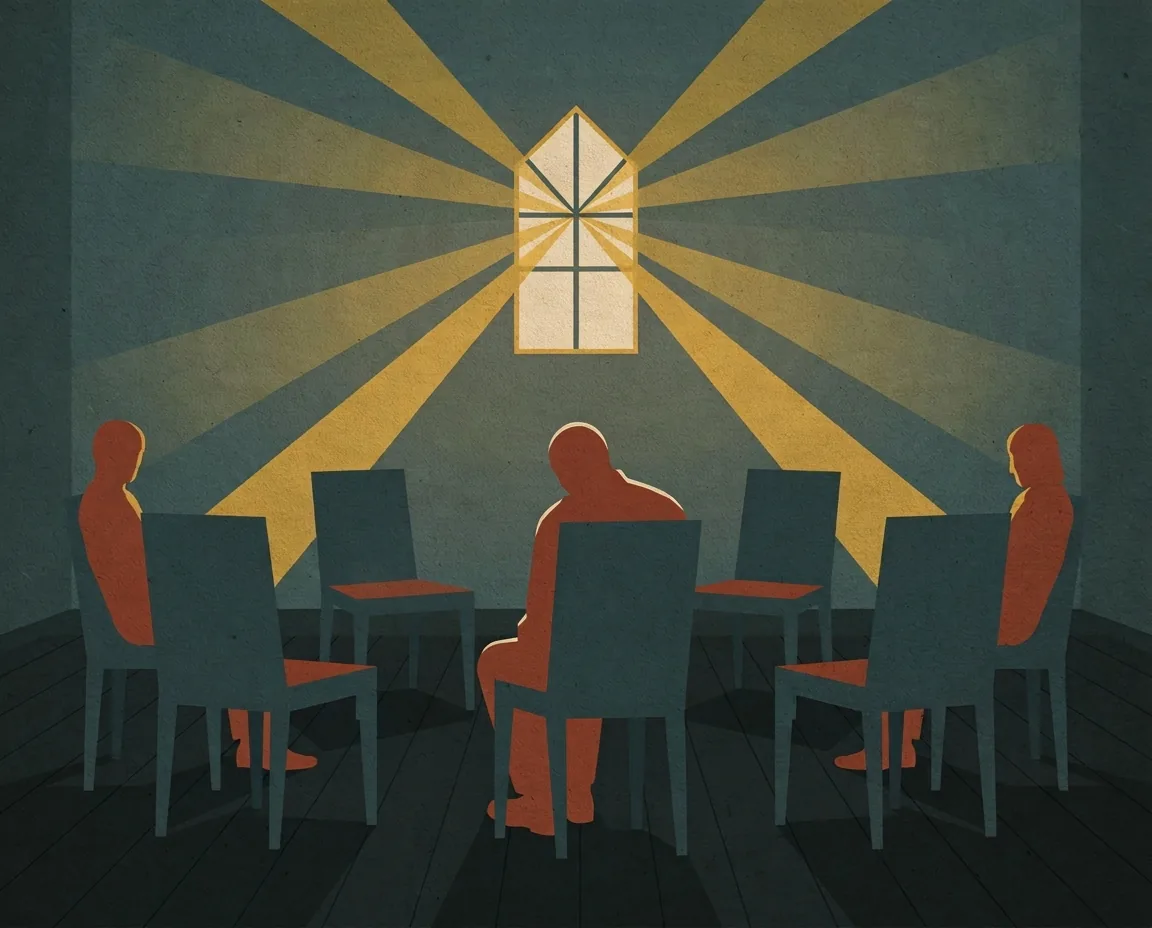
Joseph's faith community, the Old Chatham Meeting, and friends in Columbia County helped hold him through prison visits, calls, and continued goodwill. Joseph believes the good people around him and his Quaker community, which could see part of itself in the action he took, sustained his resilience.
The community did not erase the loneliness of the decision. It did something more practical and more durable: it kept the relationship strong around him while the consequences unfolded.
Members of his community may not have agreed with his choices. But they still recognized his action as part of a shared religious vocabulary. The refusal belonged to Joseph, but the ability to endure it was not his alone.
Peace inside a place built for punishment
Peace became something he practiced with people.
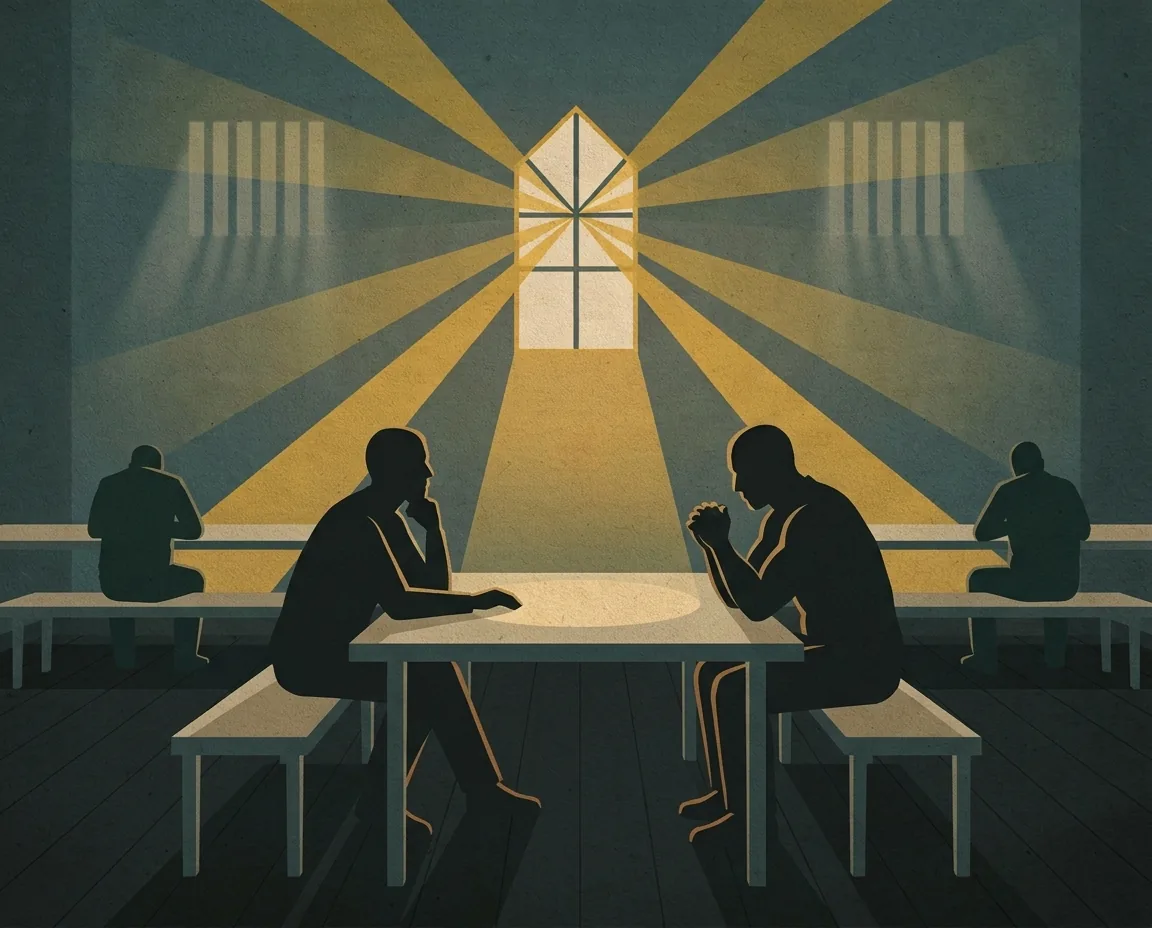
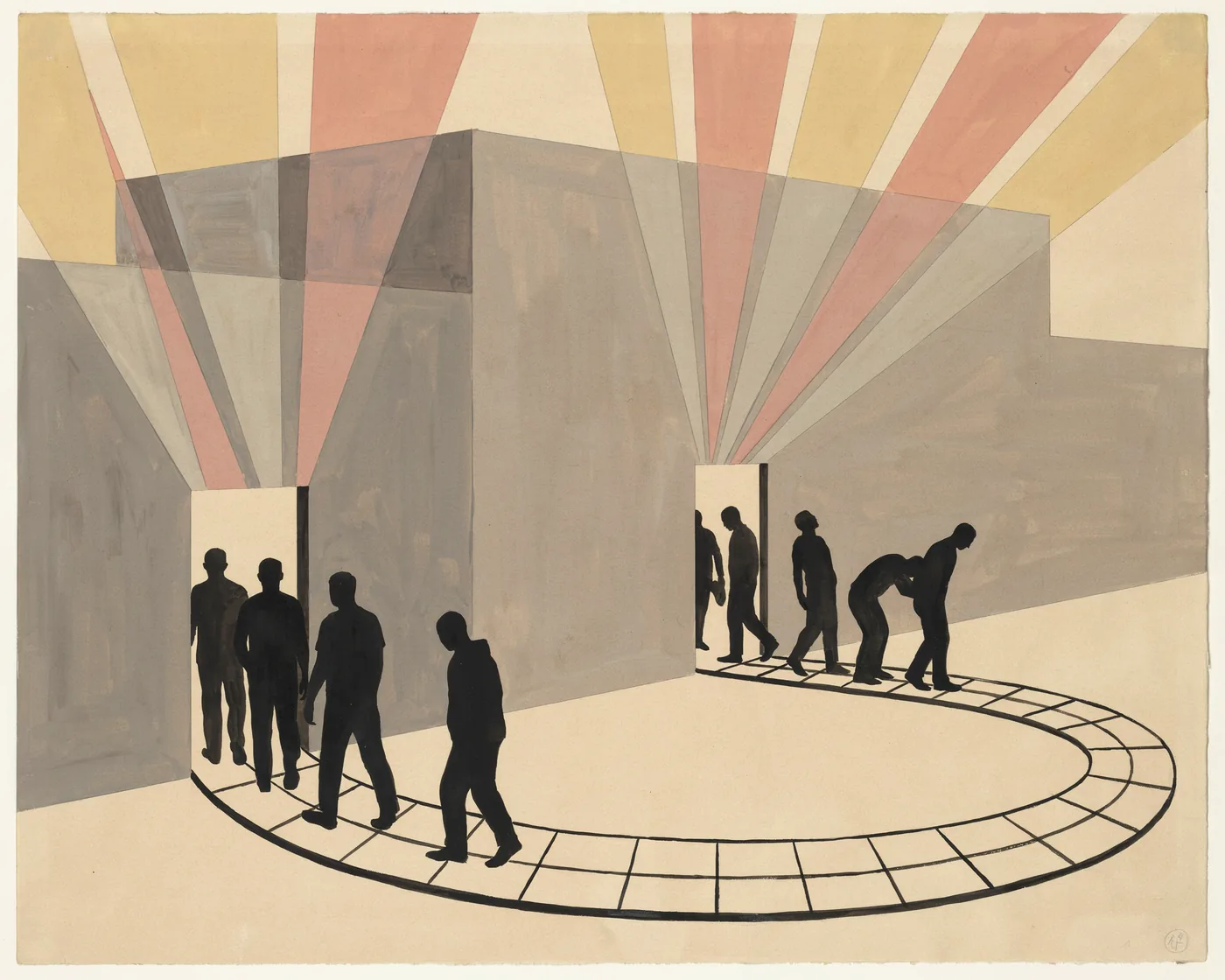
Inside a county jail over 26 weekends, Joseph's witness became practical. He listened to the men around him without judgment or agenda. He offered help where he could. He paid attention when people were in pain. He shared books and his expertise. He spoke about nonviolence when conflict rose around him. He also confronted his own prejudices and learned to see the men inside as full human beings, not one-sided stories a prosecutor or judge signed off on.
Listening became the central practice because jail is organized to make listening difficult. Noise, boredom, fear, status, anger, and institutional routine all push people toward quick judgment and self-preservation. Joseph's peace witness moved against that pressure by staying available to the person in front of him.
"[26 Weekends in County Jail] is a book about how listening can change our perspective."
Joseph Olejak
Joseph's witness is honest as well as compassionate. The men around him had caused harm. But they also suffered harm, and lived inside complicated stories. His peace journal doesn't flatten those stories into innocence. But they do refuse to reduce a person to only a charge, a number, a bunk, or a problem to manage.
Inside the jail, Joseph’s witness became a ministry of attention. He could not fix the system around him, but he could refuse its habit of looking past people. He listened, offered care where he could, helped men with pain, and entered conversations about nonviolence, legal pressure, and the dignity the jail so often denied.
What punishment revealed
Joseph's time in a county jail showed him that state violence takes many forms.
During his experience, Joseph met fathers, workers, veterans, injured bodies, and people caught in rules that could turn one mistake into a loop. It made visible a kind of violence that does not always announce itself as violence. It appeared as withdrawal, medical neglect, relentless court dates, probation pressure, and the way a person’s poverty could become evidence against him.
While Joseph was punished for refusing to fund war, jail forced him to face a larger question: what other forms of harm does society fund, tolerate, excuse, or hide because the people harmed have already been labeled disposable?
Continue the witness
Bring this conversation into your community.
Joseph’s story is not only about one act of refusal. It is an invitation to speak more honestly about conscience, peace, punishment, and human dignity. Read the book, share it with others, or invite Joseph to speak with your group about the experience that shaped his witness.